The practical takeaway
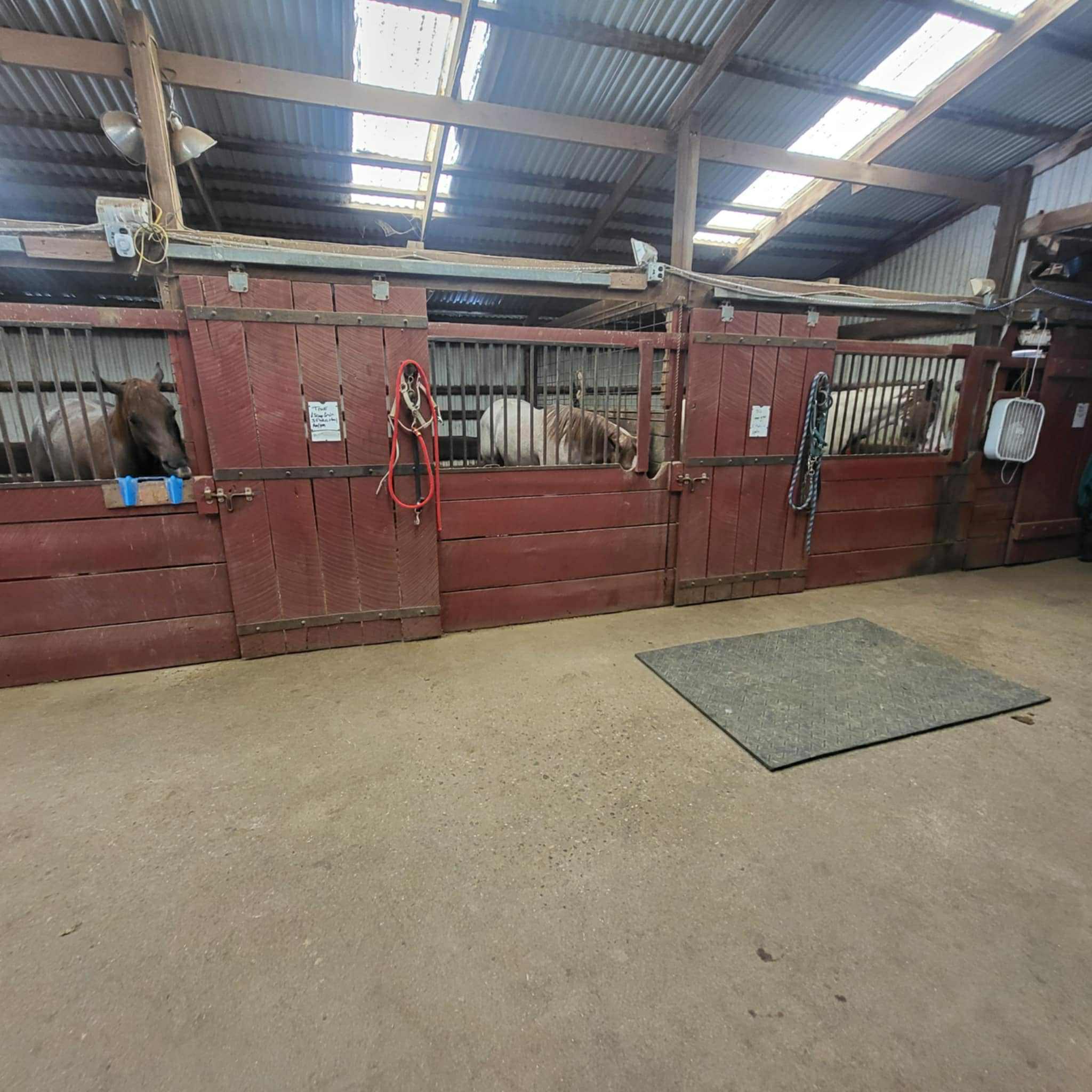
Winter readiness is a daily operating plan, not a photograph of a warm barn. Ask how water, weather decisions, access and communication are handled when conditions change.
Review the plan while conditions are manageable
Do not wait for the first difficult weather day to ask how winter care works. Arrange a conversation with your boarding provider about your horse’s needs and the facility’s routine. The best questions concern responsibility: who checks, who decides, who communicates and what happens when conditions disrupt the normal plan.
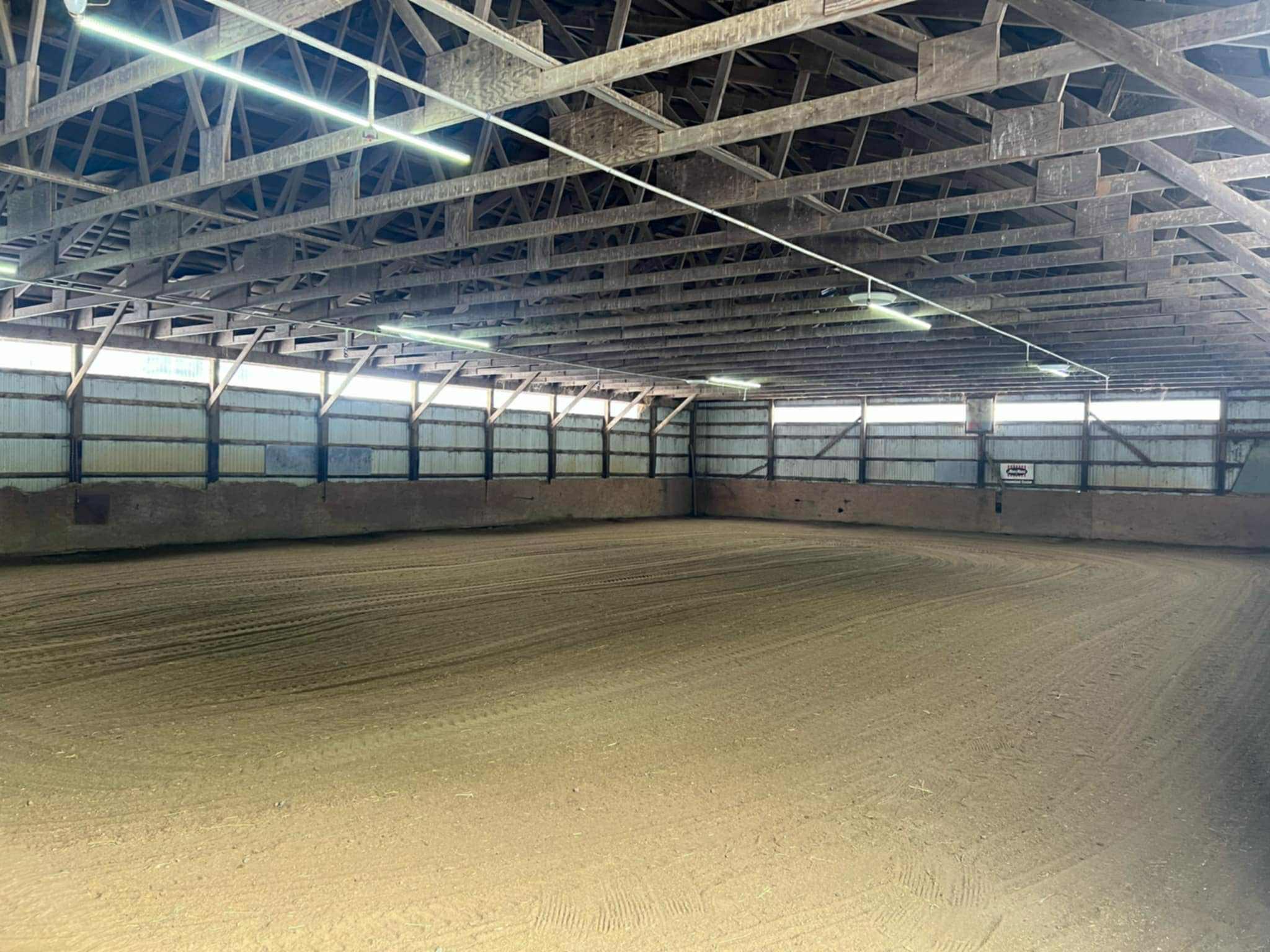
Michigan winter can change how you travel, visit and ride. Separate your convenience from your horse’s needs. An indoor arena may improve access to riding, but it does not replace a clear plan for care, weather decisions and emergency access. Ask what is available and how its use is scheduled.
Discuss care needs with the right professionals
Ask your veterinarian and care team whether your horse’s age, condition, coat, workload or medical history calls for a particular winter plan. Do not copy another horse’s feeding or blanketing routine simply because the stalls are adjacent. Individual differences matter.
University of Minnesota Extension identifies water, nutrition, shelter and ongoing care as important winter considerations. Use that as a conversation framework, not a substitute for individualized instructions. This guide deliberately does not prescribe feed amounts, blanket weights or temperature cutoffs for an unfamiliar horse.
Ask how the routine changes in difficult weather
Request a practical description of water checks, turnout decisions and communication when weather changes the usual schedule. Ask how staff manage access to care areas and what contingency arrangements exist if equipment or utilities fail. You are looking for an operational process, not a promise that disruption can never happen.
Walk the areas you normally use with permission. Discuss where owners should park, whether certain routes may close and how changes are announced. Understand what you should do if you cannot safely reach the property. Your own backup contact may need to be part of the plan.
Look at air, footing and workload together
A barn should not be evaluated solely by whether it feels warm to a person. Ask the manager how ventilation is maintained in cold weather and how concerns are handled. Leave detailed facility assessment to qualified professionals rather than diagnosing a building during a short tour.
Likewise, a riding plan should reflect actual conditions and the horse’s fitness. Ask your trainer how to adjust expectations when work becomes irregular. Do not treat an indoor arena as permission to resume demanding work after a long break without an appropriate assessment and progression.
Put decisions and updates in writing
Document the agreed winter care instructions, who can authorize changes and how any additional charges work. Confirm the process for medication, blankets or other owner-supplied items if relevant. Labels and clear instructions reduce ambiguity when different people provide care.
Review the plan after the first significant change in conditions. Was communication clear? Were your instructions practical? Did a previously unnoticed issue emerge? A useful winter plan is a living agreement between owner and care team, not a one-time checklist filed away until spring.
Try this: a winter communication scenario
Ask the barn manager what happens if poor weather prevents you from visiting on the day you planned to deliver supplies or handle an agreed task. Who should you contact, how much notice is useful and what alternative arrangement can be made? Record the answer before relying on it.
Repeat the question for a delayed professional appointment or a change in riding access. These conversations reveal whether the care arrangement depends on an assumption nobody has discussed. They also give you a reason to update backup contacts and owner-supplied instructions. Keep the plan specific to the facility rather than treating someone else’s social media winter checklist as a description of how your barn operates.
Compare your options
| Winter question | Who can answer | What to record |
|---|---|---|
| What does my horse need? | Veterinarian and care team | Individual plan |
| How are weather decisions made? | Barn manager | Responsibilities and update process |
| How should workload change? | Trainer and veterinarian as appropriate | Suitable progression |
Your take-away checklist
Save this page or print the checklist before your next conversation.
- Discuss individual winter needs with your care team.
- Ask about water checks and contingency arrangements.
- Understand weather-related turnout and access decisions.
- Confirm communication when you cannot safely visit.
- Agree on realistic riding and training expectations.
- Review instructions and fees before conditions change.
Common questions
Is a warm barn always the best winter option?
Warmth alone does not describe a suitable environment. Discuss shelter, ventilation, management and your horse’s individual needs with qualified professionals.
Does an indoor arena guarantee uninterrupted training?
No. Access, scheduling, footing, weather and the horse’s condition still matter. Ask about realistic use and contingency arrangements.
Further reading & sources
These resources support the care and assessment topics discussed above. The decision worksheets are editorial planning tools, not veterinary assessments.
General educational guidance. Work with qualified professionals for your horse, experience and circumstances. These guides do not establish a service guarantee or replace an individual assessment.
Your next step
Bring your questions to the ranch.
Tell us about your horse, your experience and what you want to accomplish. Contact Rocking K to discuss current services, availability and a visit.
Explore Rocking K facilities ↗Contact Rocking K →