The practical takeaway
Make a ranch visit useful before you ever get in the saddle. Bring a clear brief, ask for a normal routine and leave with the questions that still need answers.
Send a useful introduction before the appointment
Tell the seller who will ride, how much experience they have, what the horse will be used for and where it will live. Share practical limitations, such as riding alone or not owning a trailer. These details help the seller determine whether a visit makes sense. They are more useful than asking whether every available horse is good.
Confirm which horse you are coming to see, whether it is still available and what the appointment will involve. Ask whether you may bring an instructor. Agree on any riding expectations in advance, including suitable equipment and the seller’s safety requirements. A scheduled visit is not a commitment to purchase.
Observe the beginning, not only the performance
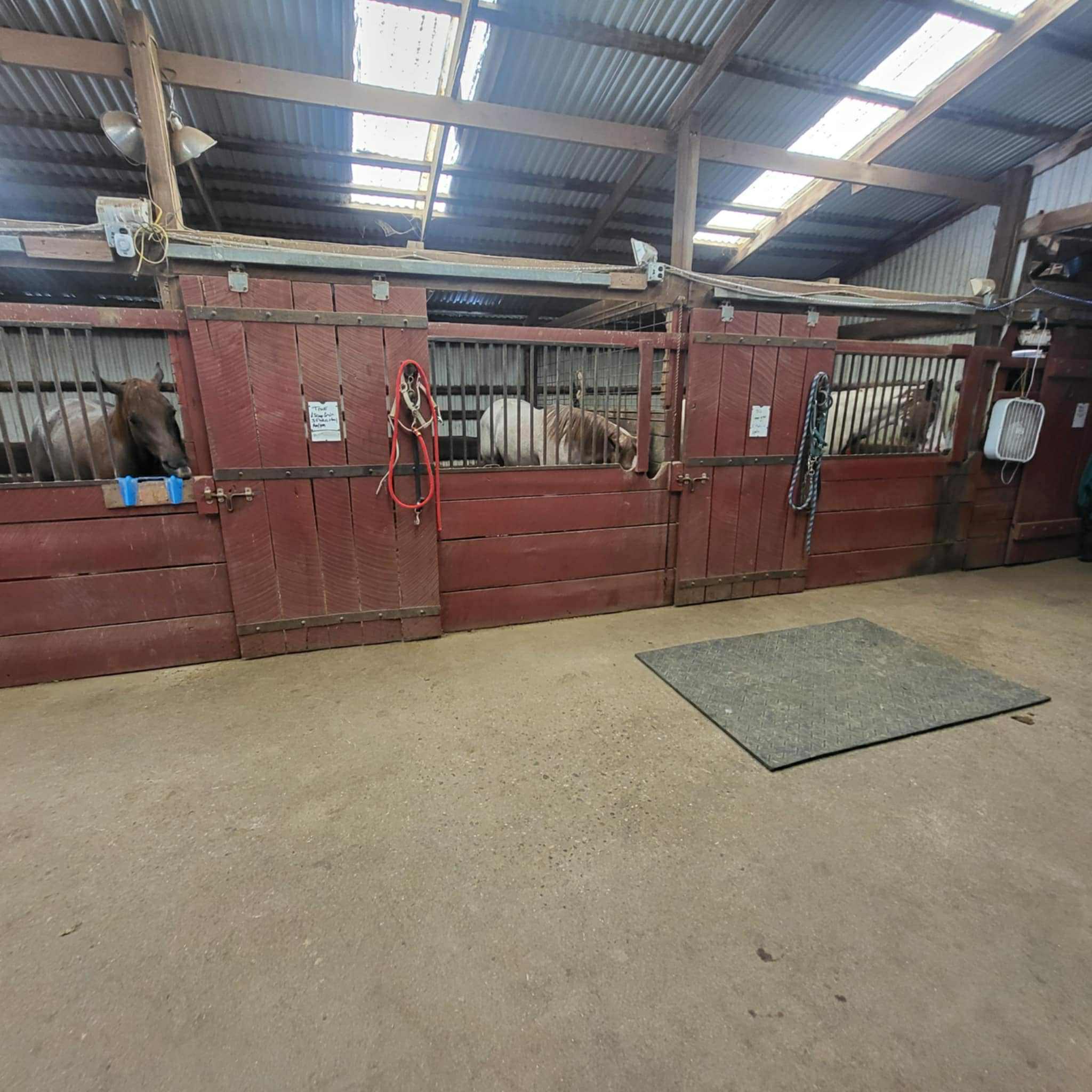
When arrangements allow, see how the horse is brought in and prepared. Ask about the normal routine and any preparation already completed that day. Notice how the handler describes the horse’s needs and limitations. Your goal is information, not catching someone out.
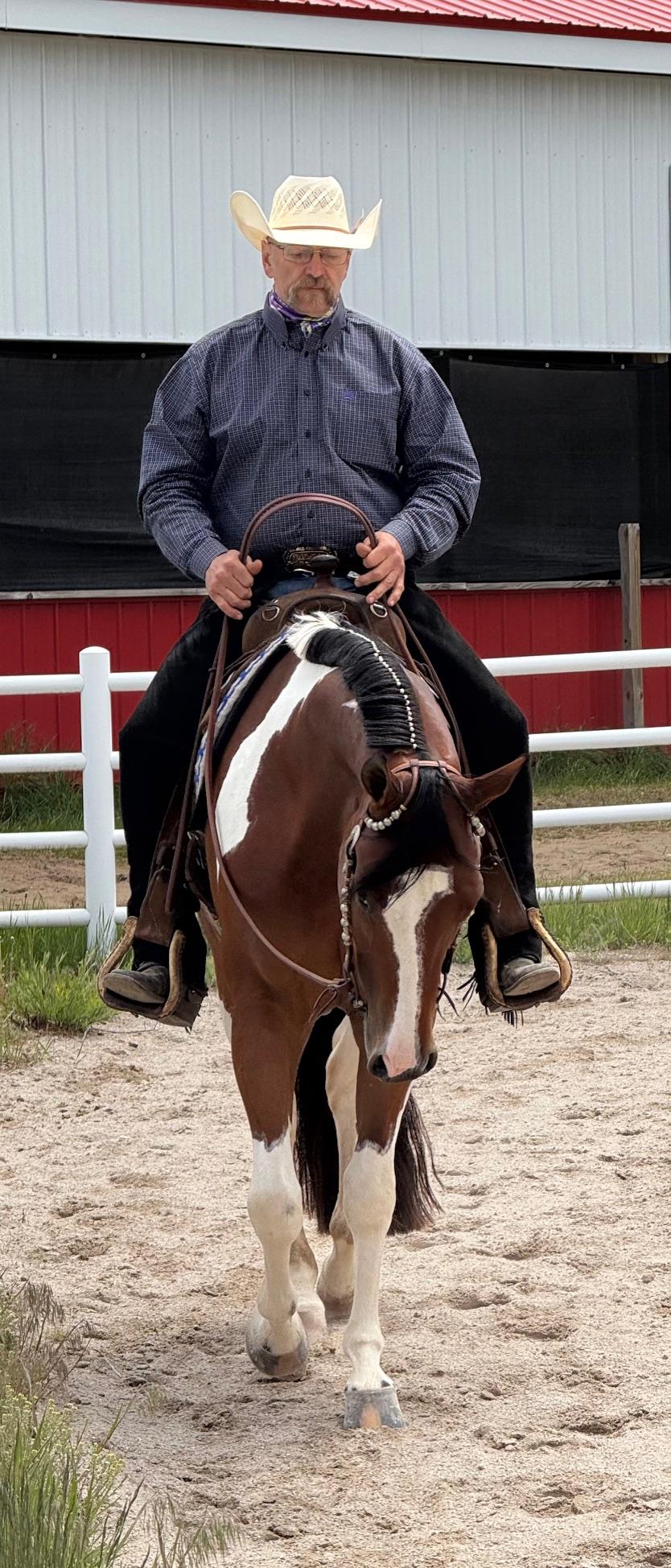
Ask the seller or trainer to demonstrate first. If anything makes you uncomfortable, stop and discuss it. You do not need to ride to justify the visit, and a novice should not be expected to conduct an independent assessment. A trusted instructor can help distinguish a manageable training question from a mismatch.
Ask questions that invite concrete answers
Instead of asking whether the horse is safe, ask about recent situations: when it last traveled, what it does after time off, who usually rides it and what has been challenging. Ask about history, veterinary records, management changes and any maintenance relevant to your plans. Let your veterinarian interpret health information.
A helpful response includes context. Comfortable on trails could mean a familiar path in a quiet group, not riding alone in an unfamiliar setting. Ask what has actually been done and what has not been tried. Do not request an unsafe demonstration merely because it would make your checklist feel complete.
Use a short debrief before discussing money
After the demonstration, pause with the person advising you. Compare the visit with your written requirements. List the strongest evidence of fit, any concern and the next question you would need answered. This separates the excitement of a good-looking horse from the decision you came to make.
If you want to continue, discuss a second visit, examination arrangements and the seller’s actual policies. Clarify whether any deposit is refundable and under what written conditions before paying it. Do not assume verbal descriptions of a trial, hold or guarantee mean the same thing to both parties.
Make follow-up specific and respectful
A good follow-up message identifies the horse, thanks the seller and asks the remaining questions clearly. For example: we are interested, our instructor would like to attend a second visit, and we want to arrange a purchase examination for our intended use. That is easier to answer than a stream of disconnected messages.
If you decide against the horse, explain briefly that the match is not right for your needs. You do not need to criticize the animal or dispute the seller’s description to make a different decision. A successful visit can end with not buying; finding that out before ownership is valuable.
Try this: a five-minute visit debrief
Before leaving, write three sentences privately with your adviser: the strongest evidence of fit was; the main unresolved concern is; the next step that would change our decision is. Keep the sentences specific enough that you could explain them a week later.
If you can only write that the horse felt amazing, revisit the intended-use list. If your concern is vague, ask what observation led to it. If there is no realistic next step that would resolve a critical mismatch, do not continue simply because you have invested time in the visit. This short debrief helps prevent a pleasant conversation, a beautiful photograph or fear of missing out from taking the place of an informed decision.
Compare your options
| Instead of asking | Ask this | Why it helps |
|---|---|---|
| Is he safe? | Who rides him and what situations are challenging? | Reveals context |
| Is he a trail horse? | Where, with whom and how recently? | Defines actual experience |
| Can you hold him? | What are the written deposit and hold terms? | Avoids assumptions |
Your take-away checklist
Save this page or print the checklist before your next conversation.
- Confirm the horse and appointment details.
- Bring your riding brief and an experienced adviser.
- Observe a normal preparation and demonstration.
- Record what was seen versus what was reported.
- Debrief against your non-negotiables.
- Clarify written next steps before paying a deposit.
Common questions
Do I have to ride at the first visit?
No. A visit can be an information-gathering appointment. Ride only when the seller and your qualified adviser consider it appropriate.
What if I like the horse but my instructor has concerns?
Resolve the concerns before proceeding. Ask what additional evidence or assessment would meaningfully change the decision.
Further reading & sources
These resources support the care and assessment topics discussed above. The decision worksheets are editorial planning tools, not veterinary assessments.
General educational guidance. Work with qualified professionals for your horse, experience and circumstances. These guides do not establish a service guarantee or replace an individual assessment.
Your next step
Bring your questions to the ranch.
Tell us about your horse, your experience and what you want to accomplish. Contact Rocking K to discuss current services, availability and a visit.
Arrange a Rocking K visit ↗Contact Rocking K →